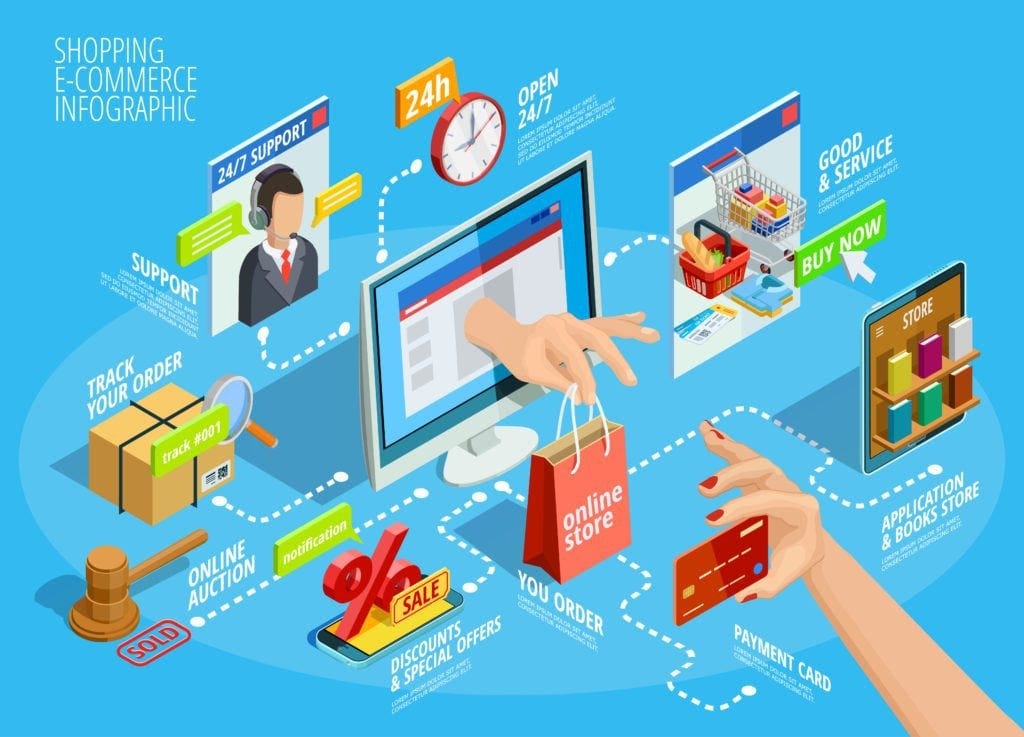
E‑commerce has transformed consumer behavior, supply chains, and the expectations placed on retailers. Everything is powered by the internet, but one of the most profound and often overlooked impacts is happening in industrial and logistics real estate. As online shopping continues to accelerate, demand for warehouses, fulfillment centers, last‑mile facilities, and specialized logistics space has surged. For real estate professionals, understanding this shift is essential to navigating one of the fastest‑growingsegments of the market.
Industrial real estate is no longer a quiet corner of the industry. It’s a strategic asset class shaped by technology, speed, and the evolving needs of modern commerce.
Why E‑Commerce Is Driving Industrial Demand
Faster Delivery Expectations
Consumers expect rapid delivery, often same‑day or next‑day. To meet these expectations, retailers and logistics companies need facilities closer to population centers, creating intense demand for:
- Last‑mile distribution hubs
- Urban infill warehouses
- Micro‑fulfillment centers
Speed has become a competitive advantage, and real estate is at the center of that race.
Larger Inventories and Safety Stock
Supply chain disruptions have pushed companies to hold more inventory than before. Instead of relying solely on just‑in‑time models, many retailers now maintain safety stock to avoid shortages. This shift requires:
- Larger regional distribution centers
- High‑clearance warehouses
- Facilities with advanced racking and automation
More inventory means more space and more strategic locations.
Growth of Reverse Logistics
Returns are a major component of e‑commerce. Processing, inspecting, and restocking returned goods requires dedicated space. As return volumes grow, so does demand for:
- Specialized reverse‑logistics facilities
- Flexible warehouse layouts
- Locations near major transportation corridors
Reverse logistics is becoming a core operational need for many e-commerce-centric businesses.
Automation and Technology Integration
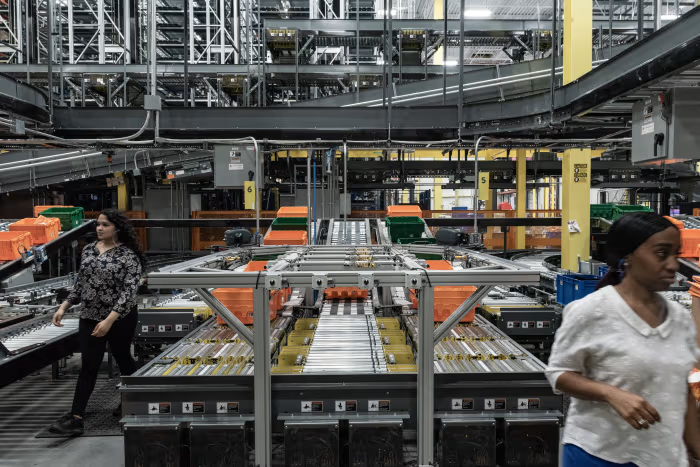
Modern fulfillment centers rely heavily on robotics, conveyor systems, and advanced inventory management tools. These technologies require:
- High‑capacity power
- Reinforced flooring
- Wide column spacing
- Modern fire‑suppression systems
Industrial spaces that can support automation command a premium.
Where Demand Is Growing
Urban and Near‑Urban Markets
Last‑mile delivery has made proximity to consumers a top priority. Even smaller, older industrial buildings in dense areas are seeing renewed interest as companies compete for strategic locations.
Secondary and Tertiary Markets
As land constraints tighten in major metros, companies are expanding into nearby secondary markets with:
- Lower land costs
- Strong highway access
- Growing populations
These markets are becoming essential nodes in regional distribution networks.
Cold Storage and Specialized Facilities
The rise of online grocery, meal kits, and pharmaceutical delivery has fueled demand for:
- Temperature‑controlled warehouses
- Cold storage distribution centers
- Facilities with strict compliance requirements
This niche segment is growing rapidly and often faces supply shortages.
What This Means for Real Estate Professionals
- Industrial Knowledge Is Becoming a Competitive Advantage
Agents who understand industrial requirements, such as ceiling heights, loading configurations, zoning, and power capacity, can better serve clients entering or expanding into the logistics space.
- Location Strategy Matters More Than Ever
E‑commerce companies evaluate sites based on:
- Proximity to highways and ports
- Access to labor
- Distance to major population centers
- Availability of expansion space
Professionals who can speak to these factors add immediate value.
- Adaptive Reuse Is a Growing Opportunity
Older industrial buildings, big‑box retail stores, and even underutilized office properties are being considered for conversion into logistics hubs. Understanding local zoning and redevelopment potential opens new doors for clients.
- Sustainability Is Becoming a Priority
Companies are increasingly focused on:
- Energy‑efficient buildings
- EV‑ready fleets
- Solar‑capable rooftops
- Green building certifications
Sustainability is a major priority for many businesses and should be kept in mind.
- Collaboration With Adjacent Professionals Is Essential
Industrial transactions often involve:
- Logistics consultants
- Supply chain strategists
- Environmental engineers
- Developers and land‑use attorneys
- Tax specialists familiar with incentives
A strong professional network helps agents navigate complex requirements and deliver a more comprehensive advisory experience.
The Road Ahead
E‑commerce growth shows no signs of slowing, and industrial real estate will continue to evolve alongside it. Automation, faster delivery expectations, and shifting supply chain strategies will shape demand for years to come. For real estate professionals, this sector represents both a challenge and an opportunity. A chance to deepen expertise, expand service offerings, and engage with one of the most dynamic segments of the market.
Industrial and logistics real estate is no longer behind the scenes. It’s at the center of how modern commerce operates, and the professionals who understand it will be well‑positioned to lead in the next era of real estate.
Before You Go
Not every agent will need to worry about commercial real estate clients, but knowing what to keep in mind if you are involved with large industrial real estate or start-up companies looking to optimize their properties for e-commerce is helpful. For more tips visit https://rltyco.com/media/. RLTY is focused on empowering and improving the real estate industry, including clients.